Figma Prototyping
⬤
Cross Function Collaboration
⬤
Product Partnerships
⬤
0 to 1 Product
MIM is an imaging software that is used in radiation oncology clinics across the globe to assist radiation oncologists with diagnostics and pre-planning for radiotherapy treatments.
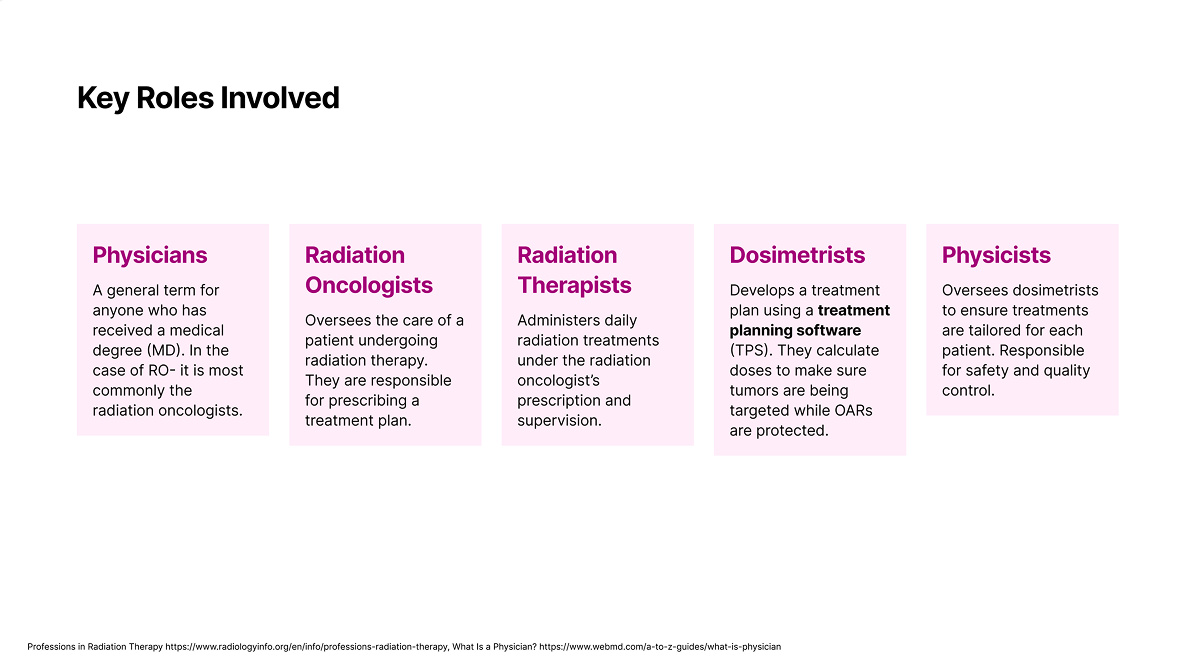
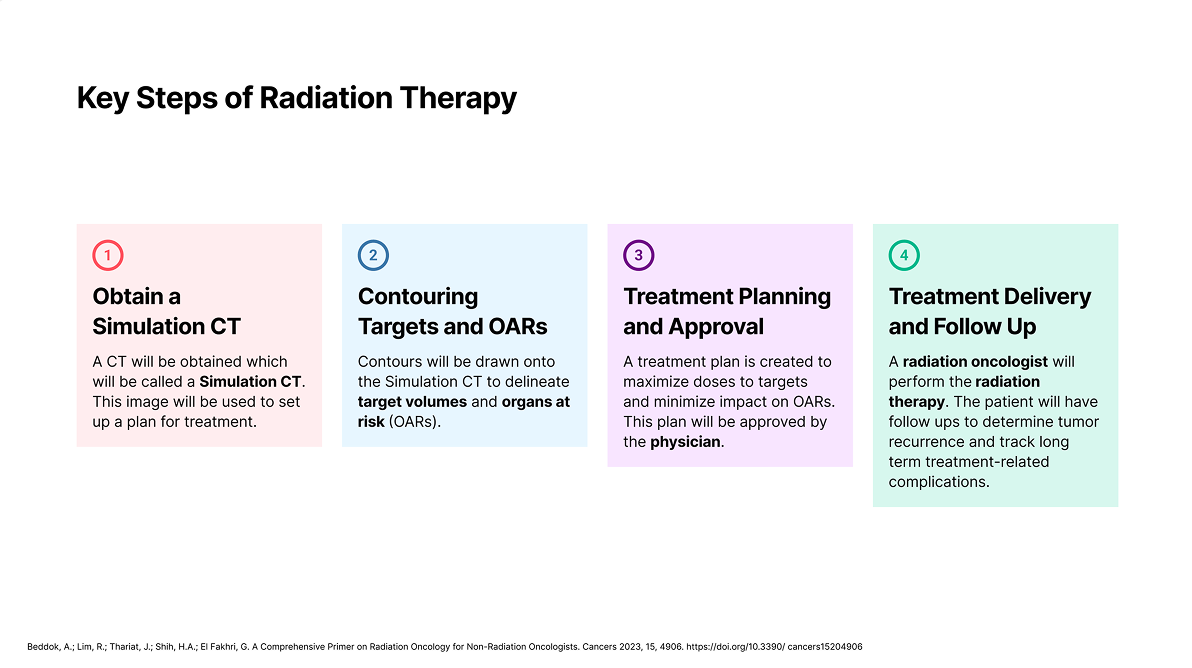
As a whole, radiation oncology can be broken down into 4 steps. First, a patient will get a CT scan that will be used to create a treatment plan. Before the plan is made, a physician will draw contours on the image to delineate tumor target volumes and organs at risk (OARs). These are the parts of the body that physicians either want to target or avoid during treatment. MIM is a common product used during this process, providing the tools needed to view, manipulate, and draw on images. Next, treatment planning begins. Dosimetrists typically create a plan for doses to administer during treatment, this plan then get approved by the physician. Once the plan is approved, the patient can undergo treatment. This is a cyclical process that involves delivering radiation to the patient and then having follow ups to check in and determine effectiveness of the treatment.
MIM does not have treatment planning functionality. This means that between step 2 and 3, image data in MIM must be exported and uploaded to another system specific for treatment planning, commonly referred to as a TPS. This process can be lengthy and tediuos. Every TPS may process data differently. Likewise, MIM is not the only tool of it's kind, and every imaging software may export data differently. This problem can make it difficult for clinics to successful support Online Adaptive Therapy, which requires the clinic to perform steps 1-3 within the timeframe of about 30-60 minutes. In order for Online Adaptive Therapy to be successful, a product needed to exist that allowed clinics to move through this process in the given timeframe.
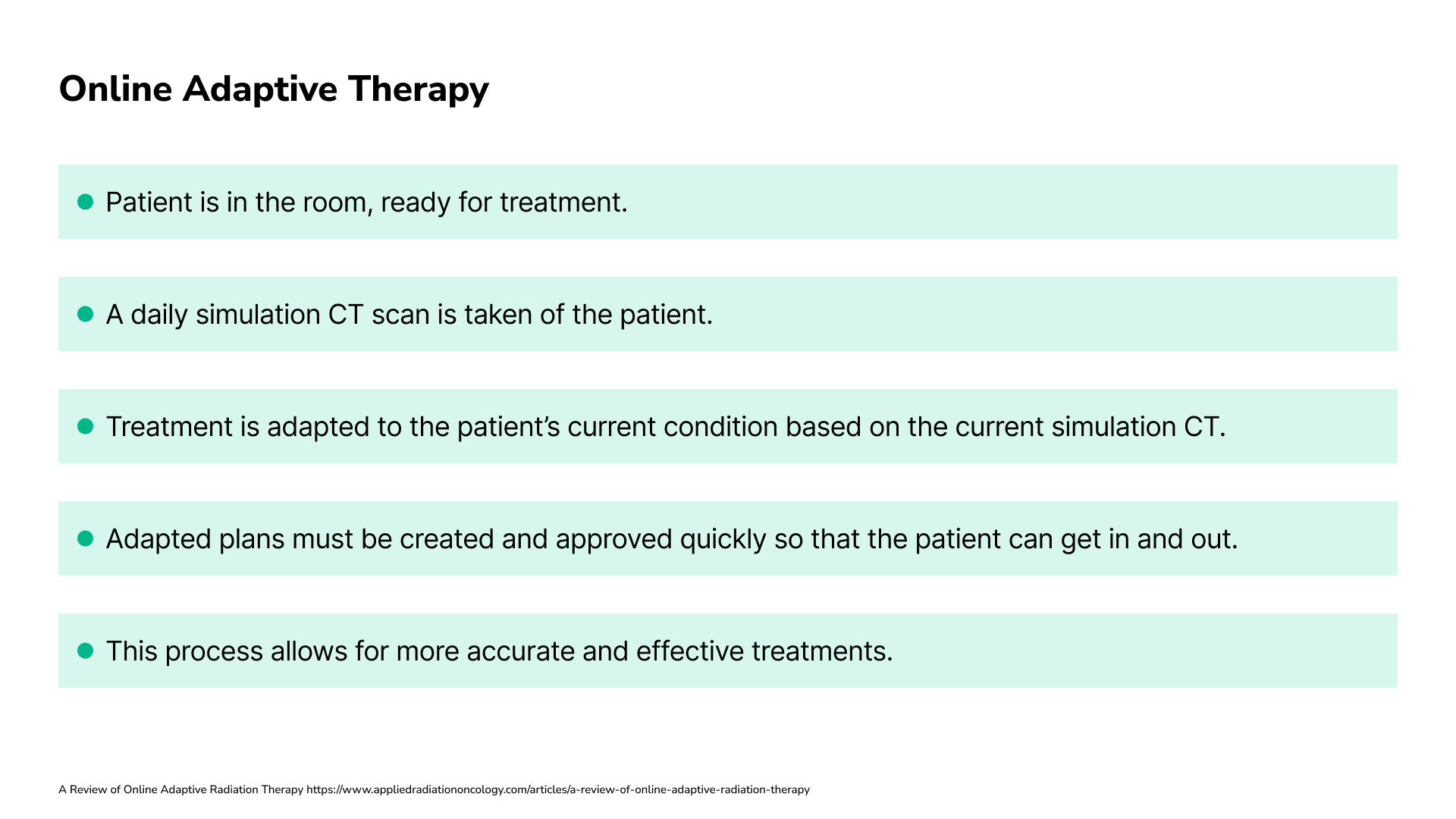
Now before going into further detail, it's important to understand what Online Adaptive Therapy means. This is a type of radiotherapy treatment that allows for more accurate and rapid treatment. In step 4, the patient usually has treatment administered in standard rounds and will have a follow up every few months. The treatment is not getting adjusted during this time. While for most cases this is fine, it can lead to inaccuracies over time. For example, if the patient gains or loses weight, organs and tumors may shift which could require a new treatment plan. Additionally, if treatment is highly effective or not as effective as predicted, it could lead to incorrect predictions on the size and location of the tumor. Online Adaptive Therapy solves this problem by adapting the treatment plan while the patient is in the room, on the table, with adjustments occuring in the few moments before the treatment is delivered. This is why the process must be quick, so as to not make the patient wait too long. It also allows for the treatment to be more accurate because a new image is taken of the patient and the treatment plan is adjusted for their current condition each day.
Below is a simplified user journey of what MIM needed to accomplish for it's part in Online Adaptive Therapy. To meet the timeframe requirements, users needed to be in and out of MIM in about 20 minutes. In baseline MIM, this timeframe is nearly unheard of due to the complexity of tools and lengthy hand off processes. The Elekta ONE product partnership sought to improve the speed in which users can go through this process while also providing a one-click solution to migrate data into a TPS.
Building any software often is resource-intensive and can be time consuming. Building medical software is even more costly and slow due to the regulatory requirements amongst other complexities of development. When MIM and Elekta partnered together for the Elekta ONE workflows, the timelines were much tighter than what MIM typically performs under for new software releases. To accomodate such a quick turnaround, it was decided to build this product using MIM's internal framework: MIM Workflows.
Historically, MIM Workflows have been used for very specific linear use cases. Often performing one set of actions, rather than walking a user through an entire process. Creating a product that accomodated Online Adaptive Therapy was going to be the first of it's kind for MIM Workflows. The vision for this product was to use workflows to create "dashboards" that clinicians would walk through. You could navigate the dashboards in a linear order, however during Online Adaptive Therapy not every step is needed. For example, a patient's previous contour set could be registered onto the new image and look fine so needing to walk through all the details of contouring wouldn't be necessary. Dashboards would allow clinicians to jump into any step at any time to prevent time wasted clicking through or filling out information for steps they did not need to walk through.
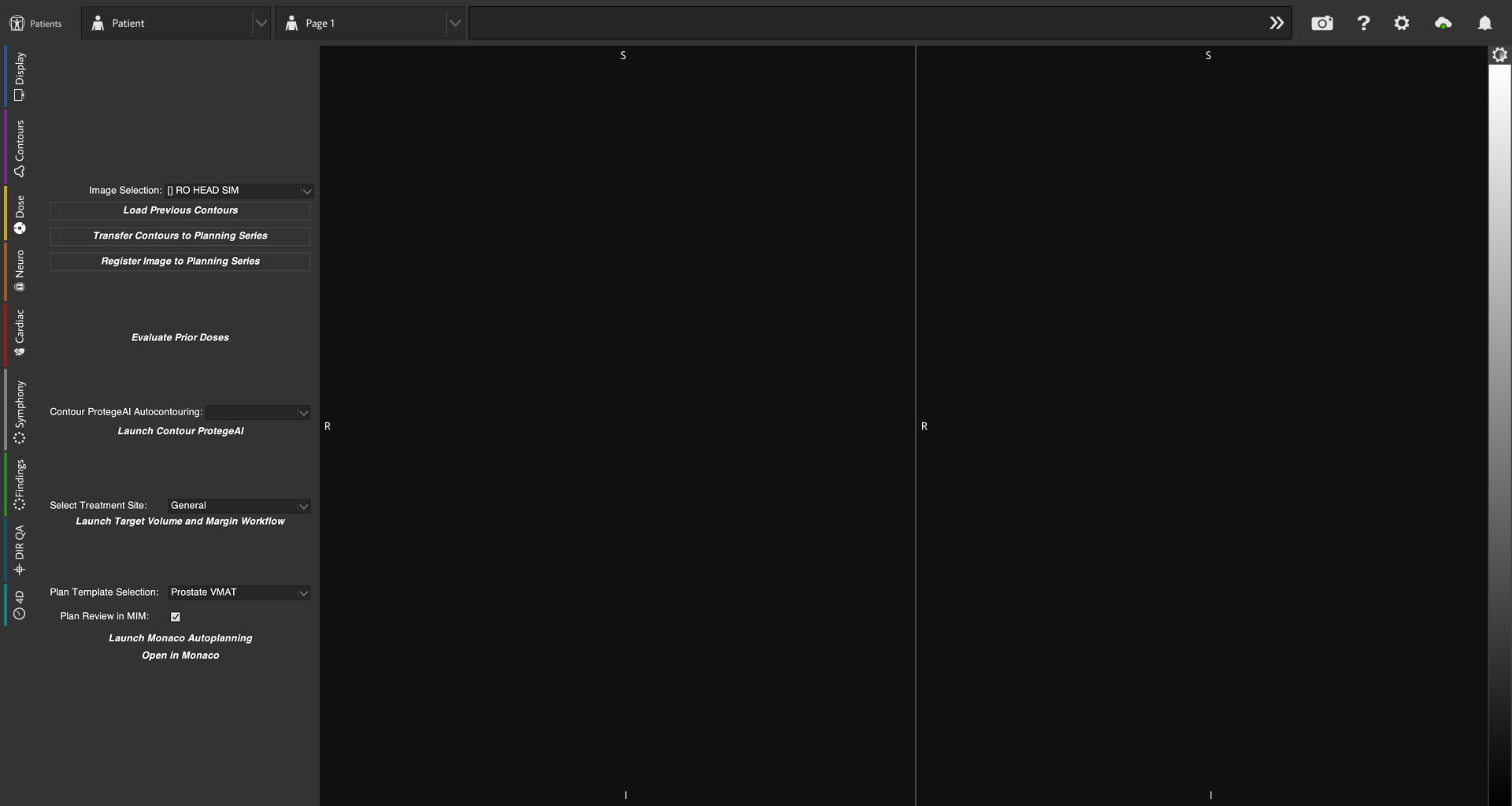
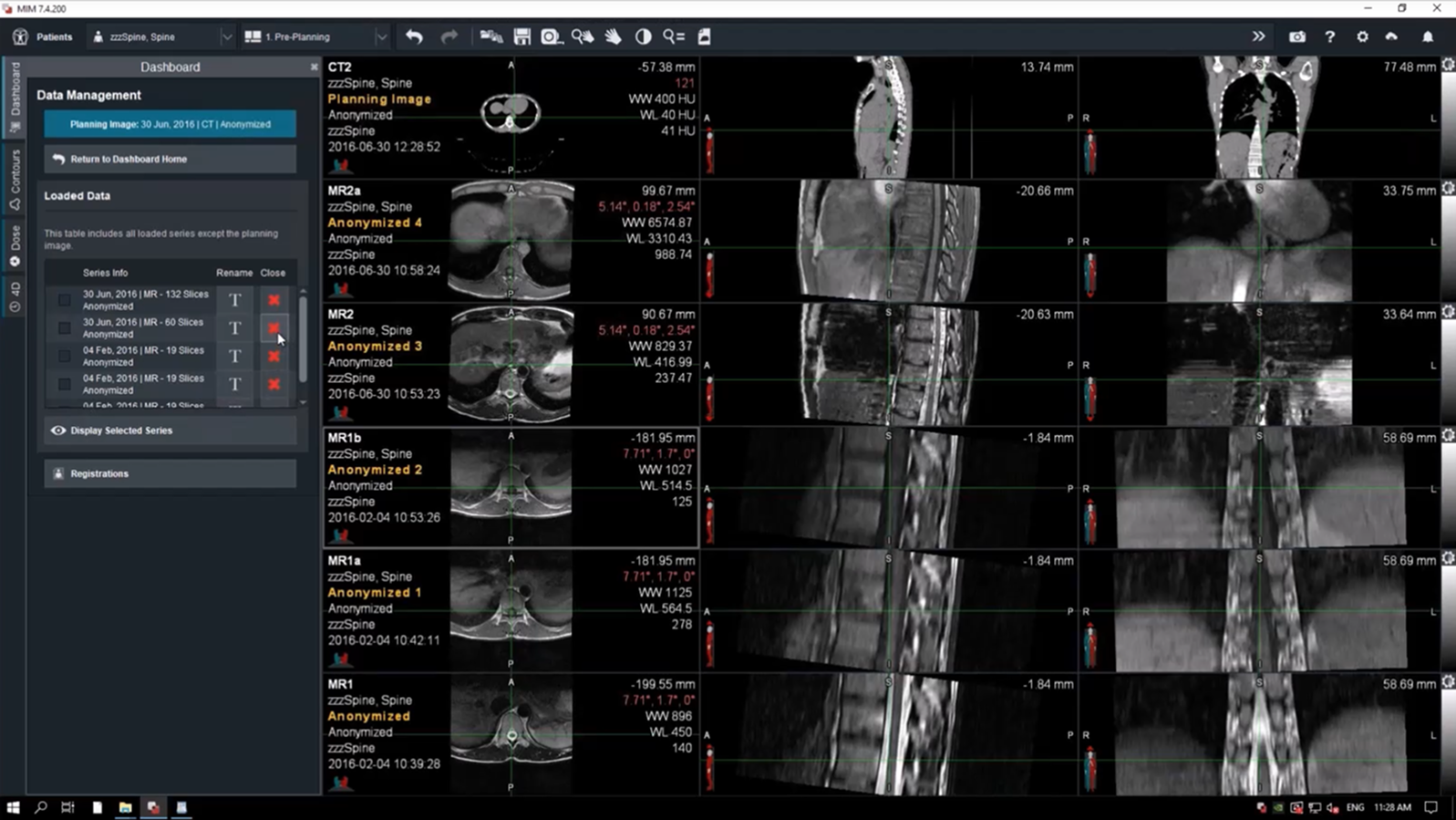
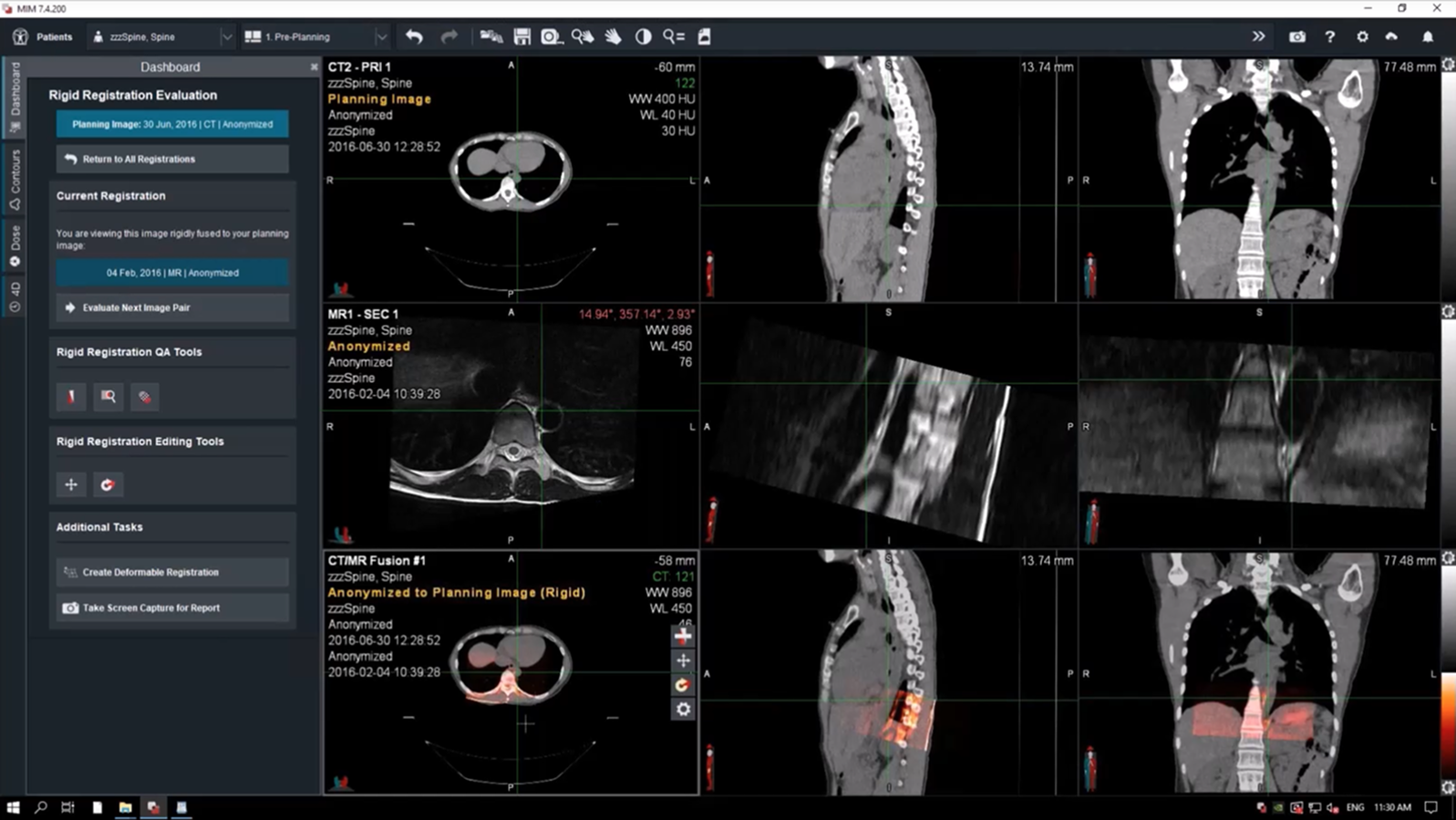
Below is the very first draft that a staff clinical scientist at MIM presented to me. While this draft seems very bare bones, keep in mind this was the first time a dashboard or sidebar was built using this framework.
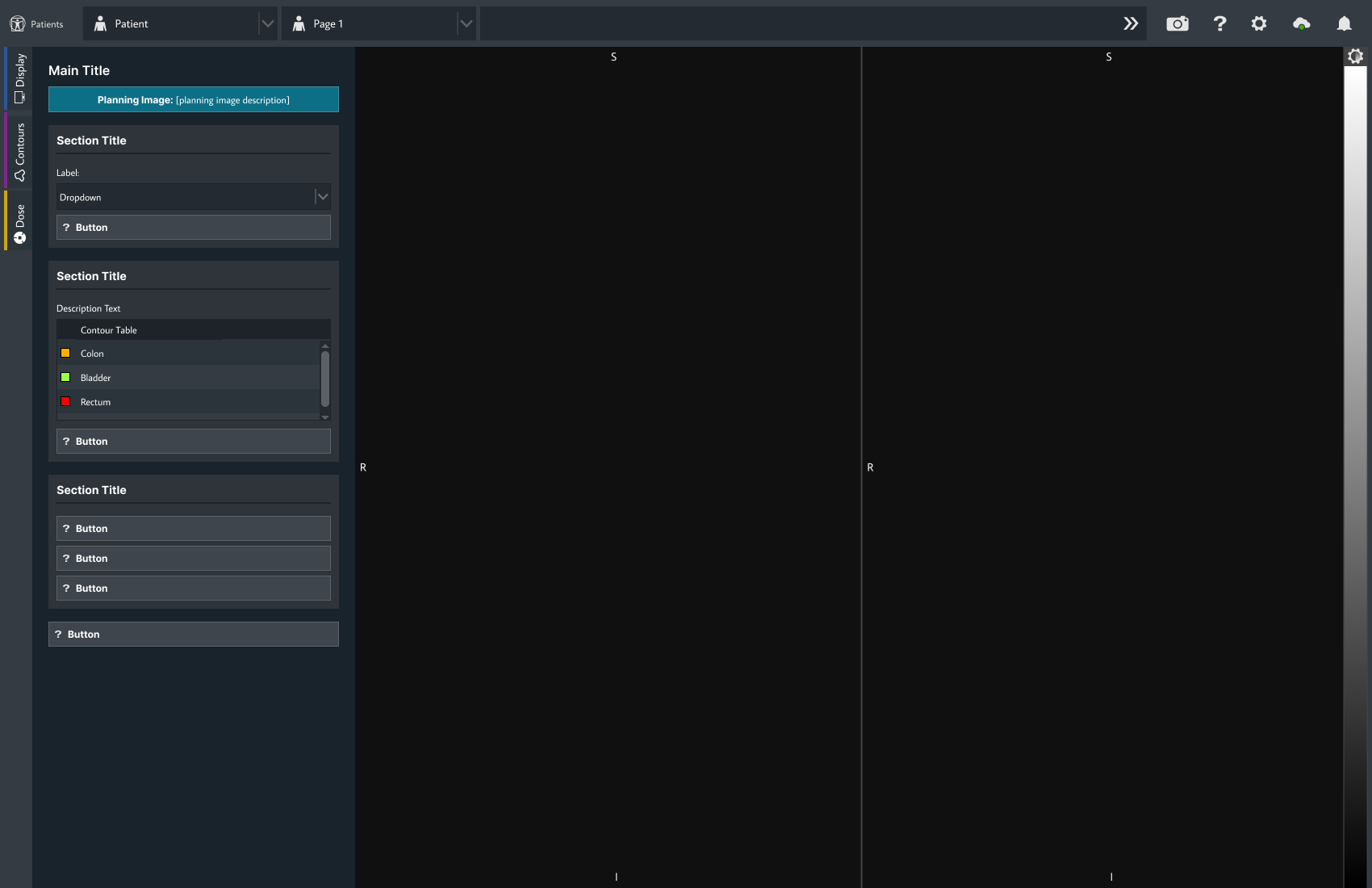
When we initially begun the design phase for this product, I did the best I could to build out dashboards that could be functional and easy to navigate. However, the list of limitations that engineers would push back on kept piling up. MIM Workflows could not build dynamic dashboards, meaning a button click was neccessary to "refresh" the screen to get updated information. Additionally, dashboards did not communicate with the rest of MIM, so if a more advanced user used a tool outside of the dashboard they would not see that action accurately reflected. On top of that, a lot of basic functionality would be difficult to implement. At one point, I was told that a "select all" checkbox was impossible to implement. It felt like no matter what I designed with this framework, it would lack core interactive functionality needed to be intuitive for users. I quickly realized there needed to be a lot of work done to get this product in a place that would truly save clinicians the time and effort we desired for Online Adaptive Therapy to be performed.
After seeing the first draft ideas and learning more about the limitations of MIM Workflows, I knew something needed to change. I worked diligently to gather thoughts from the current MIM Workflow Engineers and MIM Clinical Scientists to figure out where improvements could be made and what we could achieve quickly given the timeline for the Elekta ONE partnerships. It became apparent that I needed to get buy in from our senior leadership team to get the neccessary improvements for MIM Workflows to be successful.
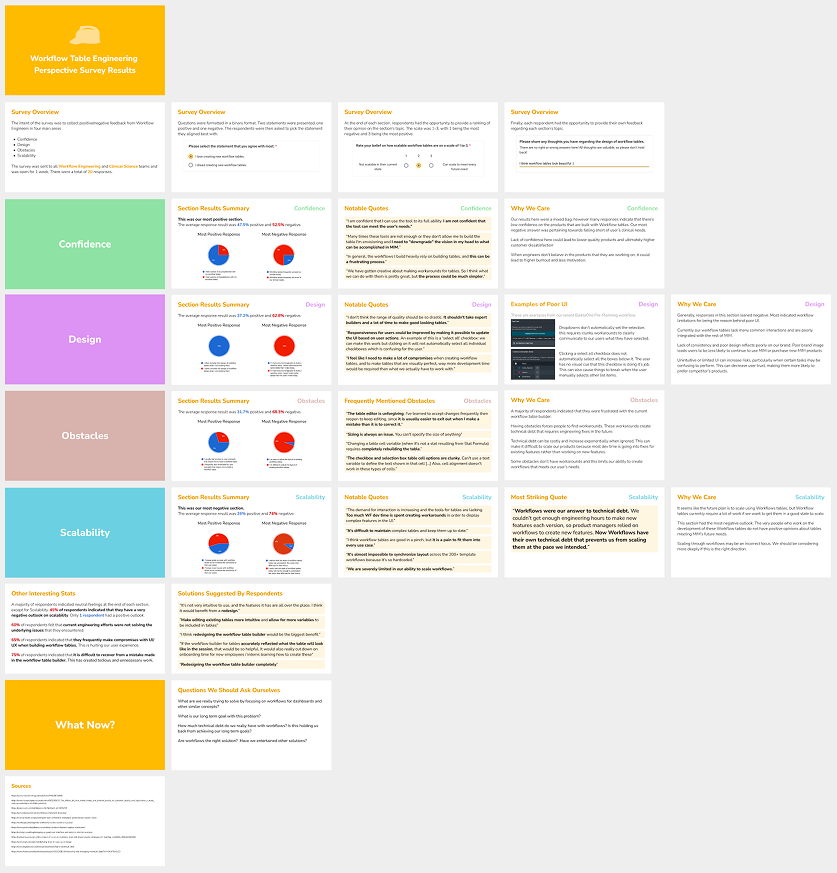
To get the buy in needed, I sent out an internal survey to gather the thoughts of the people who use MIM Workflows to create new products. I synthesized the feedback into a slide deck, and presented this information to our CTO, Senior Direct of Product, and Senior Engineering Director. After having a conversation with them, it was agreed that a change was needed and thus the MIM Workflow Improvement effort was born! For the next several years I would be working closely with MIM engineers to redesign and improve the workflow framework.
We used the Elekta ONE partnership as a way to spearhead the updates being made to the MIM Workflow framework. Since this was a big project, and we were under pretty major time constraints, it was important that we figured out a solution to make Workflows viable quickly. As I gathered the clinical requirements for the Elekta ONE project and began drafting user flows and screens for the design, I also began laying out what was needed in the new framework. I had to consider what was achievable today and how much effort it would take for the engineering teams to replicate better styles. Because our engineers had so many limitations while working within this framework, I had to be mindful of what was possible and how big of an ask every style was. For example, adding borders proved to be challenging and would require a lot of manual work to set up. However, defining sections with a simple background color was much easier for our engineers.
There were a lot of compromises that had to be made during this process, and many tasks for improvements got put on a backlog because we knew it either was impossible to achieve in the timeframe, or it would be too costly to be worth it. The backlogged tasks would slowly get priortized over the next several versions of MIM, rather than implemented for this initial effort.
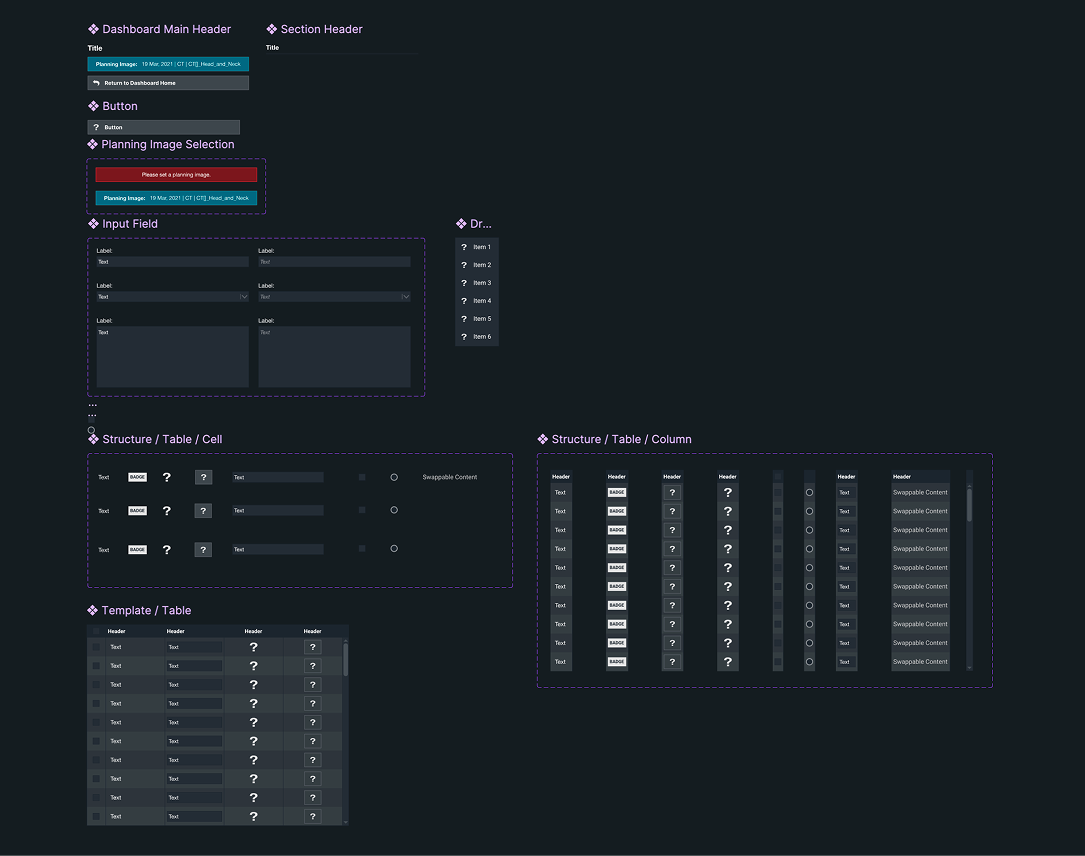
Once we had the minimum updates settled for the MIM Workflow Improvements, it was time to design the base of what would become the Elekta ONE MIM Workflow Dashboards! During this process I had the opportunity to collaborate with Elekta designers to learn about their design systems and brand guidelines. I worked with MIM's engineers to create a reskin of MIM for the partnership and then applied the new styles and colors to our Workflow sidebars. This set the foundation for our product, and I converted these styles into a mini design system. Below is an example of what these styles looked like.
Once our Workflow Sidebar framework and reskin of MIM was in a good standing, I had begun meeting with our clinical scientists daily to determine the requirements for the product. This process involved drawing out the user flows and creating mockups for what clinicians would perform inside of MIM. Additionally, there were weekly meetings with the team at Elekta to discuss our plans and collaborate on what features we would include. Please note that while the initial focus of this project was for Online Adaptive Therapy, solutions were also created for Offline Adaptive Therapy planning efforts.
After we had the first prototypes created, Elekta took the reign on usability testing. While I was not directly involved, I did get the opportunity to hear the official reporting of results and view their testing documents. I then made improvements to the designs based on the findings. We focused on redordering certain interactions to remove redundancies and lessen the amount of clicks needed. I also worked with the MIM Technical Communication team to use different strings to better match what Elekta's users are familiar with, that way certain actions and features were more recognizable.
This product is live and available as a beta in some markets. You can see a webinar video of the product here . Please note that I have only worked on the design for MIM UI, Monaco's UI was created by Elekta's team.